Emergency Contact: +91 910 002 2202

Stroke Rehabilitation Hospital in Banjara Hills
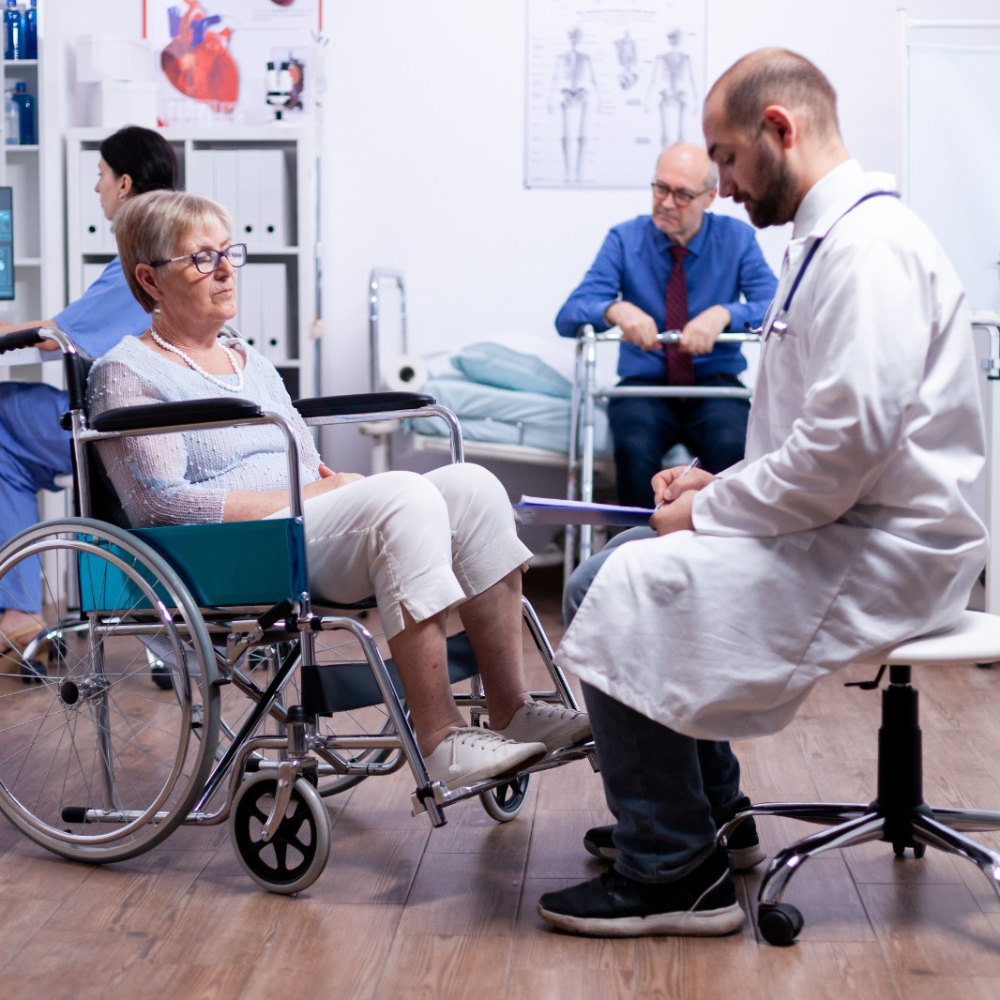
Stroke Rehabilitation Hospital in Banjara Hills
17-08-2026A stroke can cause sudden and significant changes in movement, speech, balance, memory, coordination, and independence. Early and structured stroke rehabilitation plays an important role in helping individuals regain functional abilities and adapt to changes after a stroke. For families looking for a stroke rehabilitation hospital in Banjara Hills, choosing a facility with coordinated rehabilitation services, experienced professionals, and patient-focused care can make the recovery journey more organized and supportive.
We provide a comprehensive rehabilitation approach designed around the individual needs of each stroke survivor. Our focus is not only on improving physical movement but also on supporting communication, daily activities, confidence, and overall independence.
What Is Stroke Rehabilitation?
Stroke rehabilitation is a structured process that helps a person recover or improve abilities affected by a stroke. Depending on the severity and location of the stroke, a patient may experience weakness, paralysis, difficulty walking, speech problems, swallowing difficulties, impaired coordination, or challenges with everyday activities.
We develop rehabilitation programs according to the patient's functional condition, medical requirements, and recovery goals. Treatment may involve several rehabilitation disciplines working together to address different aspects of recovery.
Why Choose a Stroke Rehabilitation Hospital in Banjara Hills?
Selecting the right rehabilitation facility is an important decision for patients and their families. A dedicated stroke rehabilitation hospital in Banjara Hills can provide access to structured rehabilitation programs while allowing families to remain connected to the patient's care journey.
We focus on providing coordinated rehabilitation with regular assessment and progress monitoring. Each patient's recovery plan can be adjusted as functional abilities change.
Key advantages include:
· Individualized rehabilitation planning
· Regular assessment of functional progress
· Physiotherapy and mobility training
· Occupational therapy for daily activities
· Speech and language rehabilitation
· Balance and coordination exercises
· Support for cognitive and functional recovery
· Patient and caregiver education
· Assistance with returning to everyday activities
Comprehensive Stroke Rehabilitation Services)
Stroke recovery often requires more than one type of therapy. We use a multidisciplinary approach to address different areas affected by stroke.
Physiotherapy for Stroke Recovery
Physiotherapy is an important part of stroke rehabilitation. Stroke survivors may experience weakness on one side of the body, reduced balance, stiffness, difficulty standing, or problems walking.
Our physiotherapy programs focus on improving:
· Muscle strength
· Balance
· Walking ability
· Coordination
· Flexibility
· Posture
· Functional movement
· Mobility and endurance
Exercises are selected according to the patient's current abilities and rehabilitation goals.
Occupational Therapy After Stroke
Occupational therapy helps patients improve their ability to perform everyday activities. Tasks such as eating, dressing, grooming, bathing, writing, and using household objects may become difficult after a stroke.
We work on practical activities that can help patients become more independent and confident in their daily routines.
Speech and Language Rehabilitation
A stroke may affect a person's ability to speak, understand language, read, or write. Some patients may also experience difficulty swallowing.
Speech and language rehabilitation can focus on communication skills, language understanding, speech production, and safe swallowing strategies when clinically appropriate.
We work with patients according to their specific communication and functional needs.
Stroke Rehabilitation for Mobility and Walking
Difficulty walking is common after certain types of strokes. Patients may have reduced strength, poor balance, altered coordination, or difficulty controlling movements.
Our rehabilitation approach can include guided movement exercises, balance activities, strength training, walking practice, and functional mobility exercises.
The objective is to help patients safely improve movement and participate more independently in everyday activities.
Balance and Coordination Rehabilitation
Balance problems can increase the difficulty of standing, walking, changing positions, and performing household activities.
We incorporate appropriate balance and coordination exercises into rehabilitation programs based on the patient's functional condition. Progress is monitored so that exercises can be modified as the patient's abilities improve.
Cognitive Rehabilitation After Stroke
Some stroke survivors experience difficulties with attention, memory, problem-solving, planning, or other cognitive functions.
Cognitive rehabilitation focuses on practical strategies and exercises that support functional thinking skills. We consider the patient's individual challenges and everyday requirements while developing appropriate rehabilitation goals.
Swallowing Rehabilitation and Support
Swallowing difficulties can occur after a stroke and may affect eating and drinking. Such problems require appropriate clinical assessment and management.
Our multidisciplinary approach allows swallowing-related concerns to be identified and addressed as part of the patient's overall rehabilitation plan when required.
Personalized Stroke Rehabilitation Programs
Every stroke survivor has a different recovery journey. Factors such as the type and severity of stroke, affected body areas, existing health conditions, age, mobility, communication abilities, and rehabilitation progress can influence the treatment approach.
We therefore emphasize personalized stroke rehabilitation programs rather than using exactly the same plan for every patient.
The rehabilitation plan may be reviewed periodically according to progress and changing functional needs.
Early Stroke Rehabilitation
Rehabilitation may begin when the patient's medical condition is stable and the treating medical team considers therapy appropriate. Starting rehabilitation at the appropriate stage can help patients work toward functional goals and prevent avoidable complications associated with prolonged inactivity.
The exact timing, intensity, and type of rehabilitation should always be determined by qualified healthcare professionals based on the patient's individual medical condition.
Long-Term Stroke Recovery Support
Stroke recovery does not always end when a patient leaves the hospital. Some individuals require continued rehabilitation to work toward additional functional goals.
We can help patients and caregivers understand ongoing rehabilitation requirements and develop appropriate strategies for continuing functional activities as recommended by the rehabilitation team.
Caregiver Support and Education
Family members and caregivers are an important part of stroke recovery. They may need guidance on safe mobility, communication, daily activities, positioning, and supporting the patient's rehabilitation routine.
We provide appropriate education and guidance so caregivers can better understand the patient's needs and participate effectively in the recovery process.
Goals of Stroke Rehabilitation
The goals of rehabilitation depend on each patient's condition. Common goals may include:
· Improving physical strength
· Increasing mobility
· Improving balance and coordination
· Supporting communication
· Improving independence in daily activities
· Developing safer movement patterns
· Supporting cognitive and functional abilities
· Increasing confidence in everyday tasks
· Helping patients participate more actively in family and community life
The goal is not simply to complete exercises but to improve meaningful functional abilities.
Why a Multidisciplinary Approach Matters
Stroke can affect several areas of a person's life at the same time. Physical limitations may occur alongside communication, cognitive, swallowing, and emotional challenges.
A multidisciplinary rehabilitation approach brings together different areas of expertise to address these needs in a coordinated manner.
Depending on individual requirements, rehabilitation may involve doctors, physiotherapists, occupational therapists, speech and language professionals, nurses, rehabilitation specialists, and caregivers.
What Families Should Look for in a Stroke Rehabilitation Hospital
When selecting a stroke rehabilitation hospital in Banjara Hills, families should consider the overall rehabilitation program rather than focusing on a single therapy.
Important factors include:
· Availability of structured rehabilitation services
· Experienced rehabilitation professionals
· Individualized treatment planning
· Regular assessment and progress monitoring
· Appropriate physiotherapy facilities
· Speech and occupational therapy support
· Patient safety and supervision
· Caregiver education
· Clear communication with families
· Continuity of rehabilitation care
A facility that understands the different stages of stroke recovery can provide more coordinated support throughout the rehabilitation journey.
Stroke Rehabilitation in Banjara Hills for Better Functional Independence
Our rehabilitation approach is centred on helping patients work toward greater functional independence. Recovery may involve small improvements over time, and consistent rehabilitation can help patients continue working toward their individual goals.
We focus on practical abilities that matter in everyday life, including moving safely, communicating effectively, performing personal activities, and participating in family routines.
Conclusion
Finding the right stroke rehabilitation hospital in Banjara Hills is an important step for individuals recovering from stroke and their families. Comprehensive rehabilitation can address mobility, strength, balance, communication, cognitive abilities, swallowing, and daily functional activities according to individual requirements.
We provide a patient-centred and multidisciplinary approach to stroke rehabilitation, with individualized treatment planning and ongoing progress assessment. By combining appropriate therapies with caregiver involvement and structured rehabilitation goals, we aim to support patients in working toward improved function, confidence, and independence after stroke.
If you or your family member requires professional stroke rehabilitation support in Banjara Hills, a timely assessment by a qualified rehabilitation team can help determine the most appropriate care plan.
FAQs
- What is stroke rehabilitation?
Stroke rehabilitation helps patients regain movement, speech, balance, and independence after a stroke. - What treatments are included in stroke rehabilitation?
Treatment may include physiotherapy, occupational therapy, speech therapy, and cognitive rehabilitation. - How long does stroke rehabilitation take?
Recovery time varies depending on the stroke severity, overall health, and individual response to treatment. - Can stroke patients regain their ability to walk?
Yes, regular and personalized rehabilitation can help many stroke patients improve walking and mobility. - How do I choose a stroke rehabilitation hospital in Banjara Hills?
Choose a hospital with experienced rehabilitation specialists, personalized treatment plans, and comprehensive therapy services.