Emergency Contact: +91 910 002 2202

A Comprehensive Guide to Orthopedic Physiotherapy in Hyderabad
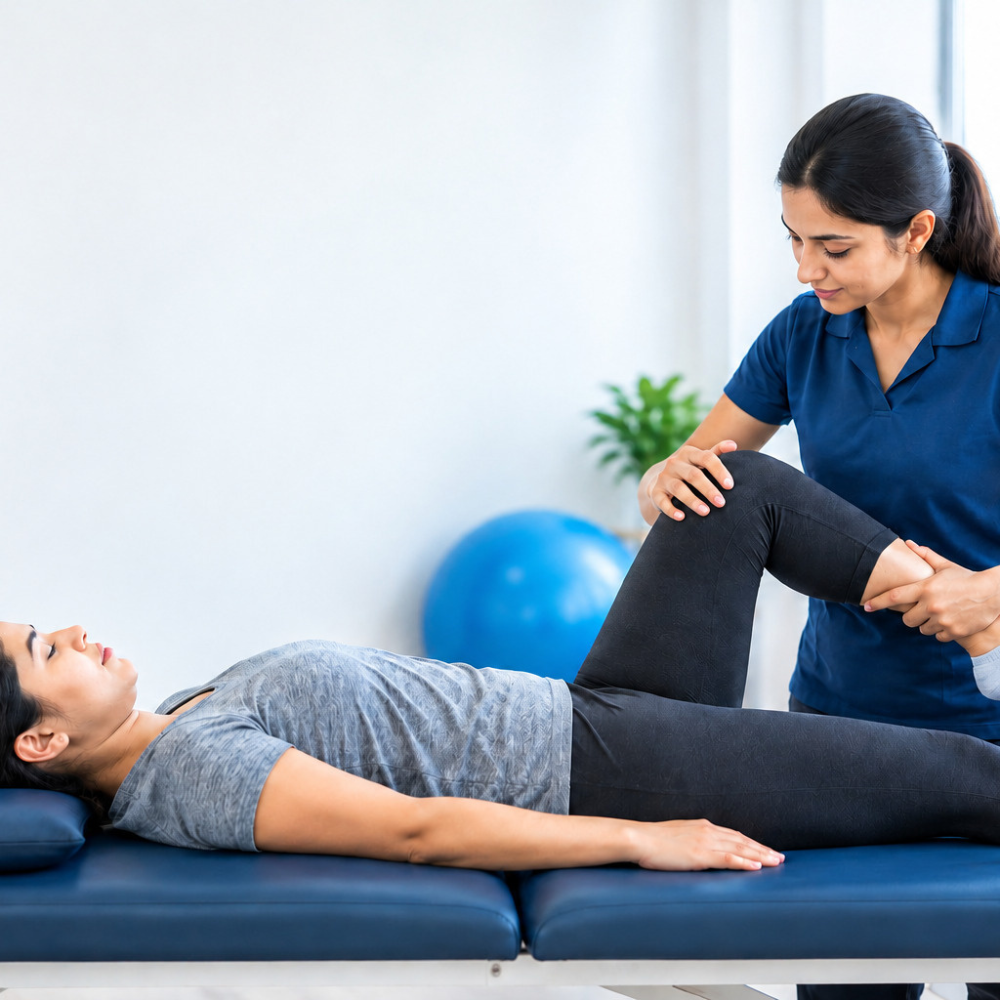
A Comprehensive Guide to Orthopedic Physiotherapy in Hyderabad
23-10-2026An Introduction to Orthopedic Physiotherapy
Pain in any part of your body can restrict your daily activities. If there is pain in your back, knees, shoulders, joints or other areas, performing daily activities like going to work or climbing stairs can be painstaking. Orthopedic physiotherapy can help you to improve your daily activities by increasing your movement and strength and giving you independence. Finding the best orthopedic physiotherapy center in Hyderabad is very important in getting the right guidance and creating a personalized treatment plan for you.
Muscles, bones, joints and other body parts that help in body movement can develop certain problems as a result of injury, surgery, age or other factors. Orthopedic physiotherapy is treatment for all such conditions. World Health Organization (WHO) says, 1.71 billion people all over the world suffer from musculoskeletal conditions. It is important to know that such conditions can be treated. Rehabilitation is very important for such patients and helps to strengthen the patients. Find out more about musculoskeletal conditions at WHO’s website.
There are different healthcare and rehabilitation services in Hyderabad. But, it is very important to get the right therapy center to help you with your condition. Right physiotherapy center should have qualified staff, individual assessments and treatment plans for patients. The priority of the treatment center should be to treat patients in a way that they can perform daily activities safely and be independent.
What You Should Know About Orthopedic Physiotherapy
Orthopedic Physiotherapy focuses on restoring normal function, improving movement, and assisting recovery in relation to musculoskeletal conditions. In the case of knee pain for example, individuals may find it difficult to sit down or climb stairs. In such an instance, an Orthopedic Physiotherapy programme may be designed to strengthen the muscles around the knee and increase flexibility, and gradually work on increasing the individual’s ability to perform various activities of daily living.
A programme focusing on lower back pain may involve movement pattern assessment and an exercise-based rehabilitation programme to address functional deficits and symptoms.
Treatment is provided based on the individual’s diagnosis and the nature of the physical limitations they experience. The type and content of treatment is tailored to the individual. The purpose of Physiotherapy is not to only provide pain relief. It is to improve body’s ability to perform useful movements, and increase capacity to handle physical demands. The ability to do various movements is assessed and exercises are planned according to the capacity of the individual. If an individual is interested in seeking Physiotherapy treatment, the best orthopedic Physiotherapy centers in Hyderabad have their treatment plans posted on their websites. Additionally, the best centers let the patients take part in making decisions about their recovery.
Common Musculoskeletal Conditions Treated with Orthopedic Physiotherapy
Physiotherapy is useful in the management of various musculoskeletal conditions. A few such conditions include muscle and ligament strains, joint stiffness and flexibility, limited range of motion, arthritis, fractures (after appropriate medical attention), and post-surgery rehabilitation. Physiotherapy may help to enhance the strength and function of patients who are hindered by pain and weakness.
Back, Neck and Joint Problems
Muscular back and neck pains may be caused by poor posture, osteoarthritis, injury, or infection. Prolonged seating may also cause neck and back pains. Conditions affecting the musculoskeletal system may also make you feel weak and limit your movement. A physiotherapist may perform an assessment to identify the movements that are restricted and develop an individualized exercise-based rehabilitation program to improve mobility.
Conditions affecting the hips and knees may also reduce mobility. Activities of daily living may also be challenging for such patients. Osteoarthritis may also cause pain, stiffness, and mobility challenges. A physiotherapist may recommend practicing and exercising for movements that improve control, stability, and endurance; as well as customize a program for daily living activities based on the patient’s symptoms and health condition.
Pain and problems with the shoulders may limit daily living activities such as reaching overhead, dressing and lifting. Physiotherapy may help improve range of motion and strengthen the shoulder and upper extremity. While pain and weakness of the spinal and shoulder musculature may be treated similarly, not all conditions require the same interventions. Severe and significant pain, weakness or symptoms following a major injury may require further medical attention before starting or modifying an exercise program.
Injuries Related to Sports and Physical Activities
Participating in sports and other physical activities can cause injuries including sprains and muscle/tendon strains. Rehabilitation focuses on restoring injured persons’ strength, coordination, balance and confidence, to allow them to resume their normal activities. Timing and intensity of treatments is dictated by the type and stage of healing of the injury.
As an example, progressive exercises to improve balance and strengthen the muscles surrounding the ankle are usual treatments to aid rehabilitation following a sprained ankle. Likewise, graded programs to increase activity and address symptoms are prescribed to aid rehabilitation following a knee injury for a return to running.
Fracture rehabilitation also focuses on balance and strength and may begin with exercises to manage stiffness and weakness. Rehabilitation is dictated by the Medical Team’s assessment of the safety of specific movements and levels of loading. Patients should adhere to medical restrictions and not return to weight bearing before clearance is given.
It is good practice for Physiotherapy centers to describe each stage of rehabilitation and progress monitoring to the patient, rather than taking a one-size-fits-all approach.
The Benefits of Adequate Physiotherapy
A good physiotherapy centre will provide an assessment of your medical history, symptoms and physical abilities and set appropriate short and long term goals with you. The assessment enables the therapist to select appropriate interventions to bring you closer to your goals. It also helps the therapist identify situations that need the involvement of other healthcare professionals.
One benefit of adequate physiotherapy is the development of a treatment plan. This plan outlines the goals, interventions, and expected outcomes. The goal may be to increase the range of motion of a joint, or to teach you how to restore and maintain the normal alignment of your joints. The plan may also outline how to progressively increase the loads that you are able to tolerate in your daily activities. The physiotherapist is able to provide feedback on your progress, give you further advice, adjust the exercises, and educate you on the management of your condition.
Treatment plans guide patients on how to alter their daily activities to be within the limits of their condition, how to perform safe movements, and what exercises to do to maintain and improve their physical condition. These skills empower patients to manage their condition outside the clinic and promote long-term improvements in the patients’ physical condition after the termination of treatment.
When considering physiotherapy centres in Hyderabad, you should look at the qualifications of the treating professionals, the equipment available, the cleanliness of the centre, the treatment costs, the follow-up arrangements, and the availability of services. You should choose a centre that communicates expectations of your progress, focuses on functional improvements, and cares for you as an individual.
Our services include:
- A range of exercises that promote movement and physical function through rehabilitation
- Rehabilitation following joint replacement
- Gait training and mobility training
- Balance training
We have experienced the various reasons that may lead to seeking physiotherapy in Hyderabad from pain related to daily activities to post recovery from a major orthopedic surgical procedure.
The best service for an individual may be determined based on the diagnosis, functional limitations, medical advice and goals of rehabilitation.
It is ideal that you understand the assessment findings prior to commencing any treatment. You should understand the goals of the treatment and how progress will be measured. A physiotherapy centre should be able to recognize symptoms that may fall out of the scope of physiotherapy and require other investigations.
Post-Surgical Rehabilitation
There are different types of orthopedic surgeries and procedures that require rehabilitation to restore movement and function. These may include joint replacements (knee and hip replacements) and reconstruction of ligaments and fracture repairs.
The type of rehabilitation a patient may require following a surgery is based on several factors such as the procedure performed, the patient’s health and the physiotherapist’s understanding of the surgery and the healing process.
A physiotherapist can help a patient with a newly-replaced knee to practice standing, walking with an appropriate aid, and performing prescribed knee movements. As the patient recovers, exercises can be progressed to address strength and confidence. Hip replacement rehabilitation must also consider the surgical team’s instructions regarding precautions and weight-bearing.
Patients should never follow a rehabilitation routine performed by another person, or seen in a video on the internet, without approval from their surgeon or physiotherapist. Unrestrained exercise and movement can hinder and prolong a patient’s recovery. Ultimately, this negatively affects the surgeon and physiotherapist’s team effort to help the patient.
Manual Therapy and Therapeutic Exercises
Manual therapy is the term used to describe certain treatment techniques, which can be used to address restricted movement, or musculoskeletal symptoms, and are performed by a physiotherapist as part of a broader rehabilitation plan. These techniques are not to be confused with therapeutic exercises, and should not be seen to replace active exercise as part of a patient’s rehabilitation.
Tailored therapeutic exercises help improve strength, mobility, balance, coordination, endurance and control. These can be prescribed in the form of stretching exercises, resistance exercises, balance activities and practice of functional activities of daily living. The choice is primarily based on condition and response of the patient to therapy.
A patient with restricted shoulder mobility may initially be prescribed movements to improve her mobility, before progressing to therapeutic exercises for strengthening her shoulder muscles. Likewise, a patient with lower limb injury and weakness may begin with exercises to gradually activate the lower limb muscles before practicing movements to stand and step.
A good physiotherapist guides the patient as to the rationale of each exercise and how to perform it. The patient is taught the number of repetitions, how often to perform the exercise, and how to progress with the exercise. It is also important that the patient is educated on when to stop the exercise and what to do if pain, other symptoms or adverse effects occur. If an exercise is causing pain, dizziness, nausea or other unwanted effects, it should be stopped and the patient should consult the physiotherapist.
How to Choose the Right Orthopedic Physiotherapy Center
The first step in finding the right orthopedic physiotherapy center is identifying your own particular needs. Different centers may cater to different conditions. For example, centers that provide services related to post-surgical rehabilitation may not provide services related to sports injuries. Another consideration is the level of commitment required of the patient. For conditions related to chronic pain, for example, it may be better to select a center that can offer more than one service.
Make sure you understand the treatment plan and the rationale behind the various steps involved. Good communication is key.
Prior to starting treatment, assessments should be done to determine the patient's current state. Based on the results of the assessment, the center should be able to come up with a treatment plan. Caution should be taken when dealing with centers that recommend the same treatment to all patients.
Various factors such as the cost and location of the center should be taken into account. If the center is too far away, for example, the patient may find it difficult to commit to regular treatment.
Lastly, helpful measures of progress may include the patient's ability to perform daily activities and pain levels. There should be a good explanation of the variability of the recovery process. A good center should be able to explain that recovery may take longer than expected and not guarantee or guarantee an exact time frame for recovery.
What to Expect at your First Physiotherapy Appointment
When you first arrive at the clinic, you will be asked to sign in and then taken to a private treatment room, where you will be asked a series of questions about your symptoms and medical history. Your physiotherapist will want to know the following:
- When did your symptoms start? Are there any activities or positions that make your symptoms better or worse?
- Have you ever had an injury or surgery? When was your last surgery and what was it for?
- Have you ever had treatment or therapy for your symptoms? What kind of treatment was it?
As part of your assessment, your physiotherapist will observe your posture and the way you walk, and assess your balance and the quality of your muscle and joint movements. Your physiotherapist will also watch you perform normal tasks and activities, and may ask you to perform movements that you find difficult or uncomfortable.
After your assessment, your physiotherapist will provide you with information about your diagnosis and will discuss the treatment options available. If your case is not complex, your treatment may begin immediately, and you may receive advice on how to perform everyday activities, as well as exercises to perform at home and at work. In some cases, your physiotherapist may want you to perform exercises under their supervision.
The first step in effective rehabilitation is good communication between you and your health care professional, and the understanding that you may experience some level of discomfort during your treatment.
Physiotherapy at Different Stages of Life
At any age, an individual can experience musculoskeletal problems. However, the types of problems and the requirements for rehabilitation differ. For children and teenagers, problems could include sports and activity related injuries and developmental issues. Assessment and subsequent treatment is related to the individual’s age and may involve the parent or caregiver.
The reasons adults may seek treatment vary and may include injury or pain related to repetitive movements, workplace activities, sports, and/or surgery. adult patients often need a rehabilitation program which accounts for family, work, and leisure commitments. For better participation and adherence, the plan should be integrated into the patient’s routine.
The requirements for rehabilitation for the older adult varies and may include issues such as loss of joint mobility and muscular strength, balance difficulties, and limitations associated with osteoarthritis and other medical conditions.
While the greatest need for rehabilitation is often perceived to occur in the older adult population, the truth is the rehabilitation needs occur at all ages. It is important for each individual, regardless of age, to be assessed to determine appropriate functional goals and the intervention needed to achieve these goals. This includes consideration for older adults where individualized goals, graded intervention, and slowly progressive tolerance is assessed and monitored for control.
Home Exercises and Recovery Tips
Some types of orthopedic rehabilitation include home exercises. These exercises help you work on movements between your in-person therapy sessions, and assist you in reaching your goals. Doing your home exercises correctly and consistently is generally better than doing an intense, long work-out that you may not be ready for.
Follow the instructions given to you regarding the exercise. If you are instructed to perform 3 sets of 10 repetitions, do not do 5 sets of 10 repetitions just because you feel like you can. If a particular exercise makes you feel worse or a movement becomes difficult, contact your therapist and let him or her guide you on what to do next.
There are also different daily activities that help in the recovery process. Take movement breaks if you are sitting for long periods of time, and make sure your workstation is in an ergonomically correct position. Proper rest and nutrition are also crucial to recovering. These may also help you remain well in a general sense, even if they are not specifically targeting your condition.
It can be very tempting to do at-home exercises that you may find on social media to help you in your recovery. Just because an exercise may have helped one person, it does not mean it will help everyone. If your therapist has given you a video or written exercise plan, then this should be your main reference. If you have questions, contact your therapist to clarify.
Some days may feel more difficult than others, but the focus should not be on how your recovery is progressing each day. Your therapy team can assist you in determining meaningful improvements by doing periodic evaluations.
When should you see a healthcare professional?
Make an appointment with a healthcare professional if your joints pain or stiffen, if your muscles feel weak, or if you have trouble moving a body part and if this problem occurs repeatedly, or if it causes problems doing your day-to-day activities. Getting an evaluation of your condition as soon as you can help identify the possible causes of your problem and to decide if you’ll benefit from some therapy.
You should see a doctor or go to the emergency room if you have a major accident, fall or sports injury and if you are not able to put any weight on your leg, if there is a visible deformity of a body part, if there is very swollen or painful body part, if there is new or progressive weakness of a body part, or if there is new or progressive numbness of a body part.
You should not start any routine physiotherapy if your symptoms suggest a potentially serious condition. A physiotherapist should recognize potential serious conditions and refer you to an appropriate professional if necessary.
If your doctor has suggested rehabilitation, you should ask about the possible restrictions and the type of rehabilitation. This is often the case after a surgery, a fracture or some other injury. It is also important to know when you can start doing certain things and how to do things to continue to progress while being considerate of your medical condition.
Conclusion
Finding the right orthopedic physiotherapy center in Hyderabad becomes imperative when you are suffering from joint pains or back problems and/or have suffered sports injuries, weaknesses of the muscles and/or post surgical problems. The right center will have qualified personnel and provide a thorough assessment of your situation. They should have clear communications and an action plan tailor made to your condition and your functional goals.
Orthopedic physiotherapy has many advantages and can help restore your mobility, build strength and improve your confidence. But the process can be slow and frustrating as a complete recovery is not guaranteed. There can be several reasons for this including the severity of your case, how well you follow your plan and other health related concerns. There are no set treatment plans and no guaranteed recovery times.
Prior to going with a particular center, assess their professional and relevant experience. Understand their treatment plan, how available they will be and if they have appropriate follow up plans. Set your rehabilitation goals and follow your healthcare team’s recommendations. With the right action plan and assessment you can be assured of some improvement in your movement and your quality of life.
FAQs
1. What is orthopedic physiotherapy?
Orthopedic physiotherapy is the use of physical methods and movements to help recover from different orthopedic conditions (pertaining to the muscles, bones, joints and ligaments, etc.).
2. How do I find the right orthopedic physiotherapy centre in Hyderabad?
Pick a centre that has qualified physiotherapists, individualized treatment plans and a transparent fee structure.
3. Can physiotherapy be used to treat knee and back pain?
Yes, it may reduce pain, improve knee and back pain and improve the strength and movement.
4. What is the duration of orthopedic physiotherapy?
Recovery time depends on the condition of the patient. The physiotherapy may take weeks to months.
5. Is physiotherapy mandatory after orthopedic surgery?
It is recommended to help the patient gain full movement and function of the body.