Emergency Contact: +91 910 002 2202

Specialist for hypertension in Banjara Hills Hyderabad
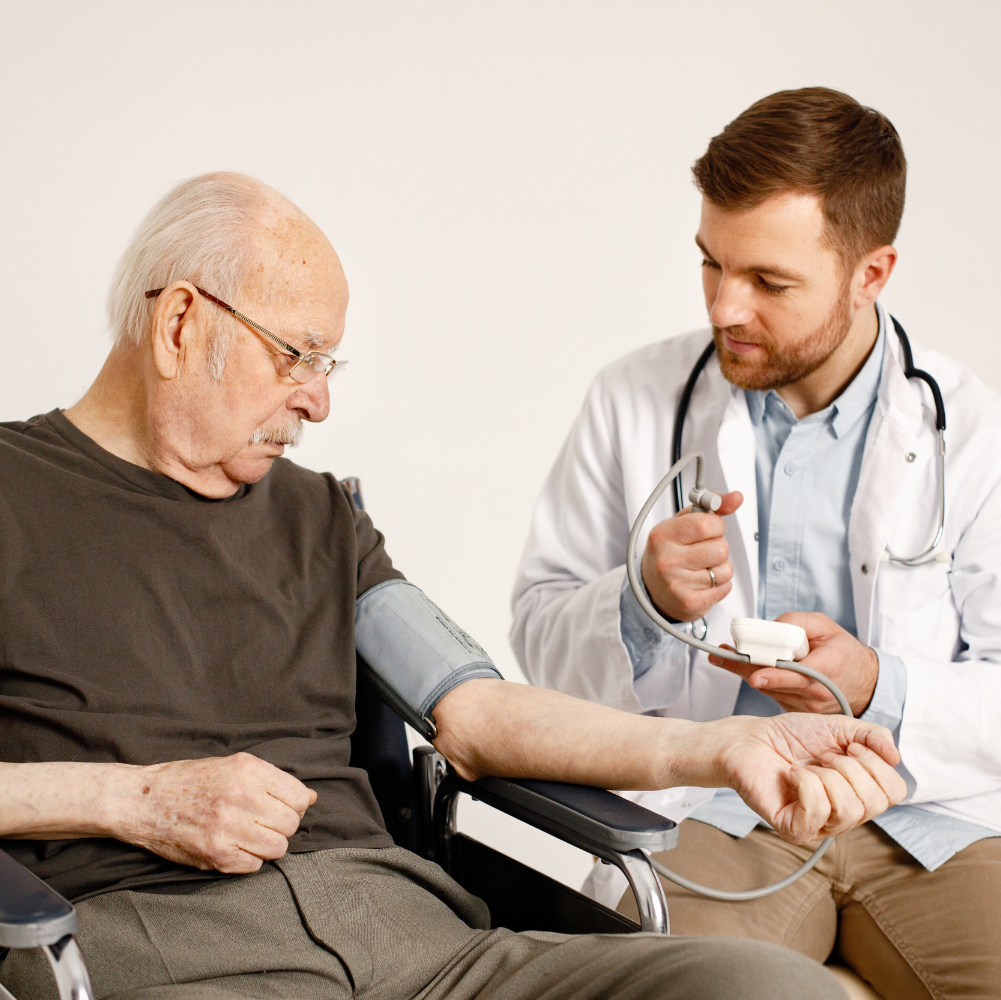
Specialist for hypertension in Banjara Hills Hyderabad
04-06-2026Finding the most suitable specialist for hypertension in Banjara Hills, Hyderabad, can tremendously help in controlling high blood pressure, therefore safeguarding your health. Hypertension is commonly called ‘the silent killer’ because of its ability to gradually damage your heart, kidneys, brain and blood vessels. The early stage of hypertension does not show any significant symptoms. Many individuals neglect the occasional signs of hypertension, such as headaches, dizziness, and fatigue, attributing them to stress or lack of sleep. Hypertension that remains untreated can result in fatal complications such as heart attack, stroke, kidney failure, and impaired vision. Hence, it is necessary to consult a specialist for hypertension for the preservation of health and prevention of the disease as it is becoming critical to health.
Banjara Hills, Hyderabad, has gained the title of the most reliable healthcare destination in the city because of the modern hospitals, the accomplished doctors, and the advanced diagnostic facilities. Residents in Hyderabad and individuals from the neighbouring cities of Hyderabad come to Banjara Hills to seek specialized medical services. Not only does a proficient hypertension specialist prescribe the appropriate medication for hypertension, but he or she also assists the patients in understanding the importance of having a suitable lifestyle, dietary control, management of stress, and precautionary health measures. Management of hypertension should be treated just like managing a vehicle, where numerous check-ups and maintenance of the vehicle avoid critical breakdowns in the future. Management of hypertension with great care saves an individual’s life and improves the quality of the individual’s life.
Understanding Hypertension and Why It Matters
Hypertension, or high blood pressure, is excess blood pressure against blood vessel walls. Muscles line the inner walls of blood vessels (particularly veins) so blood vessels can endure some abuse, but repeated high pressure makes them lose elasticity, as does the heart in response to increased work. Blood pressure is measured in milometers of mercury and read in two numbers, diastolic blood pressure, which is measured when the heart is at rest, and systolic blood pressure, measured when the heart is at work. A normal blood pressure is approximately 120 systolic to 80 diastolic (120/80 mmHg). Hypertension is diagnosed in blood pressures greater than 140/90. Patients rarely seek medical help for high blood pressure as there are no immediate symptoms, usually only secondary symptoms appear after some terminals have failed.
The impact of modern lifestyles is evident everywhere in India, including Hyderabad, with the sad reality of work hours tailored to complete a day's worth of work in a week, at the expense of one's health. The amount and quality of food, sleep, and recreation worsened, leading to abnormal stress levels in a multitude of ways. Individuals with a family history of high blood pressure and the absence of a healthy lifestyle are likely to develop high blood pressure. The most dangerous part of high blood pressure is the lack of clear symptoms, especially when it negatively affects the heart, brain, kidneys, and eyes.
A hypertension specialist evaluates the potential underlying causes for increased blood pressure. They then design a unique treatment plan. Because everyone has a unique response to both medications and lifestyle changes, specialized treatment is essential. A doctor with experience in treating hypertension is able to catch these hidden issues early and provide recommendations to avoid unnecessary complications that worsen the condition. Managing hypertension means preventing continued deterioration of the patient overall. The goal is to protect the patient’s entire cardiovascular system.
Why You Need a Hypertension Specialist
The first visit for many patients experiencing symptoms of high blood pressure is a trip to their general physician. General physicians can only provide limited treatment. Hypertension specialists provide an extensive level of treatment. Physicians that practice in this area are able to diagnose complicated cases of hypertension and understand associated issues with disorders, such as diabetes, kidney disorders, and related systems. Because they remain at the forefront of their field, they are able to employ the latest treatment protocols and technologies for effective blood pressure management.
Think of a general physician as a repairman attempting to fix very complicated machinery with only basic tools. General physicians have to deal with many types of cases. This lack of specific experience makes it easy for them to overlook tell-tale signs of hypertension. Hypertension almost always is a symptom of an underlying condition. These can be kidney disorders, sleep disorders, or other hormonal disorders. A specialist can see the other disorders and treat accordingly.
Preventative visits and ongoing treatment are important for managing hypertension. For many patients, blood pressure is not stable and can vary for many reasons including time, diet, and lifestyle. A specialist will monitor a patient’s blood pressure and take note of the treatment patterns. Careful monitoring and treatment adjustments will reduce the risk of heart attacks or strokes. Specialists train their patients in chronic disease management techniques including blood pressure and stress management and diet control.
Why Banjara Hills, Hyderabad, Attracts Patients
One of the reasons Banjara Hills stands out as a center for medical services in Hyderabad is the first-rate services offered by its hospitals, specialists, and specialists, along with the medical services offered in the area. The area’s multispecialty hospitals, along with cardiac care centers, have full services to treat hypertension. The area’s hospitals also have advanced diagnostic and emergency care and the area’s multispecialty teams. Because of the area’s many medical services, it is easy for a patient to obtain all services in the same place.
Another reason why Banjara Hills is a center for treatment is that there are highly trained cardiologists and hypertension specialists. Many of the area’s doctors have trained in advanced medical care for cardiac and chronic hypertension. These doctors maintain an interest in modern medicine and care. The area’s patients appreciate the ease with which appointments are made and the area’s advanced medical services and tailored care.
Healthcare in Banjara Hills focuses on treating diseases and preventing them. Hypertension specialists collaborate with nutritionists, physiotherapists, endocrinologists, and nephrologists to provide complete care. Management of multiple coexisting conditions has been better with this team approach. Banjara Hills’s medical ecosystem helps create an environment that supports patients to manage hypertension and improves cardiovascular health.
Signs It's Time to See a Hypertension Specialist
hypertension's main problem is that it goes unnoticed - even by the afflicted. Without an appointment or erratic medical emergencies, those with high blood pressure typically remain clueless. There are, however, some signs that are your warning bells to seek medical attention. Uncontrolled hypertension can be signalled by chronic headaches, dizziness, chest pains, shortness of breath, blurred vision, fatigue an arrhythmia.
Elevated blood pressure is associated with chronic headaches that are often experienced in the morning. Other symptoms include anxiety, confusion, and difficulty focusing due to inefficiencies in blood circulation. If left untreated, high blood pressure can result in the rupture of major veins, heart stops, and strokes. It is almost obligatory to monitor your blood pressure more often if you are over 40 or have a family history of heart disease.
Silent hypertension is dangerous because it seemingly has no bad effect. The reality, however, is that high blood pressure can eat arteries and damage and eventually cause failure of vital organs. Going to your hypertension specialists at the first signs of trouble is critical in the prevention of damage that becomes unfixable over time. It is the key method in the manipulation of hypertension.
Diagnosis and Tests for Hypertension
The initial step in successful treatment of hypertension is correct diagnosis. Specialists tend to take multiple measurements of blood pressure over several visits to confirm persistent hypertension. Blood pressure can rise temporarily for a latte of reasons such as anxiety, stress, caffeine, or even physical activity, so taking multiple measurements helps ensure accurate diagnosis. Some physicians recommend the use of ambulatory blood pressure monitoring. In this technique, blood pressure is continuously recorded for a period of 24 hours to document how it changes over the course of the day and night.
Along with blood pressure monitoring, specialists tend to order several laboratory tests and cardiac evaluations. Blood tests can be used to assess cholesterol levels, blood sugar, and kidney and electrolyte imbalances. Hypertension-related kidney issues can be tested for using urine samples. Other tests such as Electrocardiograms (ECG), echocardiograms, and stress tests can be used to evaluate cardiovascular health and to assess the additional strain caused to the heart by high blood pressure.
The common diagnostic tests for hypertension are shown in the table below:
| Test | Purpose |
|---|---|
| Blood Pressure Monitoring | Measures blood pressure levels |
| ECG | Detects heart abnormalities |
| Echocardiogram | Evaluates heart structure and function |
| Blood Tests | Checks cholesterol, sugar, and kidney function |
| Urine Tests | Identifies kidney-related issues |
| Ambulatory Monitoring | Tracks blood pressure over 24 hours |
Through these diagnostics, cardiovascular specialists can tailor treatment plans to the patient's specific profile. Correct and timely diagnosis can maximize treatment outcomes and minimize future adverse events.
Best Treatment Options for Hypertension
When treating hypertension, the physician needs to consider the degree of the severity of the hypertension, the underlying cause, the patient's age, associated medical comorbidities, and the patient's lifestyle. For the majority of cases of mild hypertension, the treatment of choice is typically lifestyle changes. Physicians traditionally recommend the restriction of dietary sodium, maintenance of ideal body weight, increasing levels of physical activity, smoking cessation, restriction of alcohol intake, and stress management. These lifestyle changes have profound impacts on cardiovascular disease.
To lower blood pressure and effectively manage moderate and severe hypertension, pharmacotherapy is necessary. Antihypertensive medications are classified by their mechanism of action. Some antihypertensive medications are classified as vasodilators. Other medications are classified as cardio depressants, while some work as renal diuretics to control fluid and sodium levels. Specialists select pharmacotherapy based on the patient’s medical history, and response to the medication. These treatment changes are most often to manage adverse drug reactions attributable to hypertension control.
The treatment of more advanced stages of hypertension is necessary to manage the associated comorbid conditions of diabetes, obesity, apnea syndrome, and nephropathy. These specialists will most often use a combination of medications and lifestyle interventions to optimize the control of hypertension. Modern treatment of hypertension is truly of a personalized nature and geared toward the individual patient in place of a generalized approach. The greatest benefits are typically conferred to the most proactive participants in their healthcare plan.
Diet and Nutrition Tips for Hypertension Patients
Controlling your blood pressure with your diet is a viable approach and has been proven to greatly reduce hypertension and improve heart health. One of the popular diets suggested by professionals is the DASH diet (Dietary Approaches to Stop Hypertension). Fruits, vegetables, whole grains, lean meats and fish, nuts, and low-fat dairy foods are included and encouraged to be eaten more often, while sodium, processed foods, and unhealthy fats are to be avoided.
Foods that contain potassium, magnesium, and especially fiber have positive effects on blood pressure. Some of the top foods for hypertension are bananas, spinach, avocados, beans, yogurt, oats, and greens. Drinking enough water and being adequately hydrated helps circulation and supports your kidneys. Fast foods and processed snacks should be avoided, especially caffeine, sugary drinks, and snacks with a lot of sodium.
Below is a sample of foods often recommended and avoided:
Over time, minor changes to a diet can be practiced habitually and health benefits can even be measured in the weeks following the introduction of improved food choices, such as positive changes in blood pressure.
Role of Exercise and Stress Management
For the management of hypertension, regular physical activity works like a natural medicine. Exercise improves circulation and heart function, helping to maintain a healthy body weight. Blood pressure can be reduced significantly by incorporating any number of activities such as walking, cycling, yoga, and swimming for 30 to 45 minutes per day. Mood and anxiety can be improved by exercise and help cardiovascular health.
Most modern, urban lifestyles place a large amount of stress that directly contributes to hypertension. Work pressure especially causes strenuous demands over chronic stress, which can lead to blood pressure elevation and strain on the cardiovascular system. A nervous system and emotional balance can be improved and stabilized by relaxation methods such as yoga, mindfulness, breathing exercises, and meditation. Healthy blood pressure can also be maintained from adequate sleep.
Making sustainable, long-term wellness routines is more important that making dramatic changes to wellness routines when managing hypertension. The most important factor is consistency over intensity. When lifestyle health choices and routines combine with professional medical supervision, a powerful defines against future long-term cardiovascular complications is created.
Things to Consider When Choosing a Hypertension Doctor in Banjara Hills, Hyderabad
When selecting a hypertension doctor, there are many factors to take into consideration: experience, qualifications, reviews, associated hospitals, and the doctor’s approach to treatment. Consider their background in internal medicine and cardiology and how often they see and treat cases of hypertension and heart disease. Doctors who deal with more complex cases tend to have better diagnostic and treatment skills.
Patients can also evaluate the communication style and bedside manner of prospective doctors. Specialists who listen, explain the reasoning behind treatment options, and invite patients to take an active role in the decision-making process are valuable to the care team. Banjara Hills hospitals have the advantage of integrated services and support systems, including both advanced diagnostics and emergency services.
Although reviews and recommendations from friends and family can help take the anxiety out of finding a new doctor, there is no substitute for trusting your own gut. Having a hypertension specialist is a serious commitment, and a doctor who can partner with you long-term usually translates to better adherence and more positive outcomes.
Why Regular Hypertension Checkups are Important
Checkups for hypertension help avoid more serious problems by assessing risks and tracking the effects of treatment. Aging, stress, and changes to regimens and lifestyle have an effect on elevated blood pressure. Regular checkups will encourage specialists to revise the treatment and offer new recommendations regarding health.
Patients tend to pursue more healthy lifestyles with more discipline regarding diet, exercise, and medication if they know their progress is being monitored. Preventative measures are how the healthcare system can reduce the financial burden of more advanced complications.
Consistent blood pressure checks help to identify risks for diabetes, heart disease, obesity, and kidney disease. This helps to identify concurrent health issues before they worsen and helps to lessen the burden of healthcare costs in the future.
Hypertension Management for the Elderly
Hypertension is more prevalent in the elderly as a result of stiffened blood vessels. Elderly patients have a more complicated presentation as a result of a plethora of co-morbidities, making the selection of medications to manage blood pressure more challenging to mitigate side effects and risks from polypharmacy.
Elder patients are also at higher risk for stroke, heart failure, and kidney disease. Specialists manage their care and monitor their health status and ability to move, adjusting the treatment plan to ensure the best outcomes for the patient. Lifestyle changes are important, even in the elderly, but care must be individualized to the health status of the patient, especially with dietary changes and modifications for physical activity.
Managing Hypertension with Diabetes and Heart Conditions
Hypertension is often seen with both diabetes and heart disease and is challenging to manage. The existence of all three conditions in a patient is a greater risk for kidney disease, heart attack, and stroke, along with greater risk for neuropathies.
Specialist's Treatment Plans address all the disease states. Modifying these diseases is important for the lifelong health of the individual.
The best outcomes stem from integrated care that involves cardiologists, endocrinologists, nephrologists, and nutritionists. Managing chronic conditions is most successful when the healthcare team collaborates with the patient.
Technology and Modern Hypertension Treatments
There have been drastic changes in the diagnosis and treatment of hypertension with the advancement of modern medical technology. Blood pressure, enhanced by the use of smart or wearable health devices, can be monitored digitally. These devices allow patients to track their health. Physicians can adjust treatment in a timely manner using the patient's data to monitor the patient from a distance. Modern imaging and diagnostics have made the early detection of complications involving the cardiovascular system easier. Treatments designed to meet the unique characteristics of each patient in terms of their genetics, metabolism, and lifestyle are becoming the norm. The development of new drugs with diminished side effects and improved long-term effectiveness is well underway.
The use of technology is making patients participants of their treatment. The use of reminder apps, fitness trackers, health apps, and virtual office visits allows patients to be more compliant to treatment and adopt healthier habits. The new focus of hypertension is prevention and patient participation.
Conclusion
Patients suffering from high blood pressure and associated cardiovascular problems in Banjara Hills, Hyderabad, must choose their hypertension specialist with care. It often appears that sufferers can control their condition with relative ease, but high blood pressure is the 'silent killer' - it often destroys the vital organs of a patient in the background and can create life threatening situations. It is imperative that there are an early diagnosis and treatment, coupled with healthy lifestyle changes, helps to manage hypertension.
Banjara Hills provides access to some of the nation's best specialists, the latest healthcare technologies, and a complete suite of services to address your cardiovascular care needs. Whether you just found out you have high blood pressure or have been struggling to control it, working with a specialist can enhance your quality of life. From a preventative health perspective, the sooner steps are taken to address high blood pressure, the more likely the individual will enjoy additional years of an active, healthy lifestyle
FAQs
- Who is the best hypertension specialist in Banjara Hills Hyderabad?
There are a host of seasoned cardiologists and internists in Banjara Hills. The choice of best physician is subjective and matters such as previous experience, testimonials, level of healthcare of the hospital, and most importantly, care customization, have to be considered. - What are the early signs of hypertension?
Classic early signs of high blood pressure are headache, general malaise and fatigue, blurred vision, pulmonary symptoms, and chest discomfort. Initially, many patients are asymptomatic. - Can hypertension be controlled without medication?
In a select few cases of mild high blood pressure, symptoms can be controlled with lifestyle modifications, including a healthy meal plan and regular exercise. Close management of weight and stress, along with a reduction in the intake of salt, is also required. For moderate and severe cases, pharmacotherapy is required. - How often should blood pressure be checked?
In people with values within the normal limit, the measure should be taken at least once a year. For the rest, blood pressure should be closely monitored as per the physician's recommendations. - Is hypertension dangerous if left untreated?
Definitely. Uncontrolled high blood pressure can lead to myocardial infraction, cerebrovascular accident, renal failure, loss of sight, and a host of other life-altering conditions.